August 10-14th, 2026 | Northeastern University | Boston, MA
Hands-on training for early-career researchers
- Learn directly from faculty with expertise in a broad range of Clostridia in state.
- Covers key experimental and bioinformatic workflows for cultivation and genetic manipulation of anaerobes.
- Expand your horizons with seminars from leading researchers working with Clostridia in areas from biofuels to the gut microbiome.
Learn how to engineer Clostridia
Mission
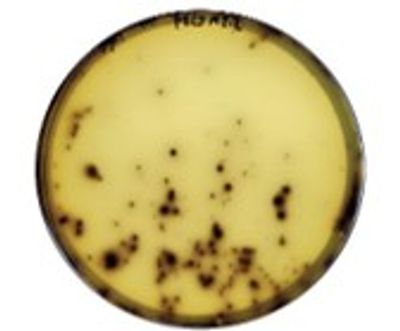
Clostridia are fascinating anaerobic microbes with important roles in human health, biotechnology and sustainability. Historically, these microbes have been notoriously difficult to genetically engineer, posing a major challenge to unlocking their potential. In recent years, synthetic biology tools for Clostridia have drastically improved, and we believe these should not be limited to specialist labs. The goal of this workshop is to provide hands-on training to early-career researchers in Clostridial genetic manipulation, to enable them to incorporate genetics in their own projects.
Approach
In an intensive week-long workshop at Northeastern University in downtown Boston, attendees will learn the key principles and methodologies in anaerobic genetics, working with model Clostridia under the tutelage of three expert faculty. Travel, lodging and registration fees are covered by NSF support.
Wet-lab techniques include:
- Preparation of anaerobic competent cells
- Anaerobic electroporation and conjugation
- Detection and quantification of oxygen-independent reporter proteins
- Extraction of DNA from Gram positives, and colony PCR
- Tips and tricks to improve transformation efficiency
Bioinformatic approaches include:
- Shuttle vector design using Gibson and GoldenGate assembly
- Analysis of restriction/modification systems via Nanopore sequencing
- Design of CRISPR/Cas counterselection systems
These activities will be interspersed with seminars from leading experts in Clostridial research, a poster session for trainees to discuss their research and form connections, as well as excursions into Boston.
Our Facilities
Our state-of-the-art facilities at Northeastern's Boston campus are equipped with the latest technology for anaerobic microbiology. Trainees will learn the proper use of all equipment needed for genetic engineering.
Prerequisites
The course is designed for scientists with experience working with anaerobic microbes, who would benefit from incorporating genetic engineering into their research. As such, prior experience with anaerobic cultivation is expected. While hands-on molecular biology experience is not required, students should be familiar with the theory of standard techniques (PCR, restriction/ligation, etc.). If you are unsure about your qualifications, please get in touch with program staff via the link below.
Faculty Instructors

Prof. Ben Woolston - Northeastern
Prof. Ben Woolston - Northeastern
Prof. Ben Woolston - Northeastern
Expertise: Metabolic engineering in acetogenic Clostridia
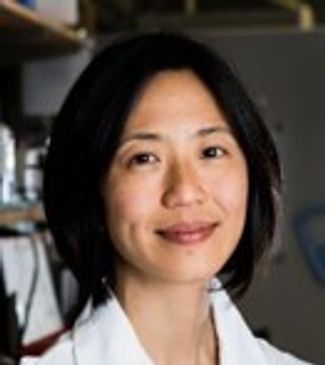
Prof. Aimee Shen - Tufts
Prof. Ben Woolston - Northeastern
Prof. Ben Woolston - Northeastern
Expertise: Germination and sporulation of the pathogen Clostridium difficile
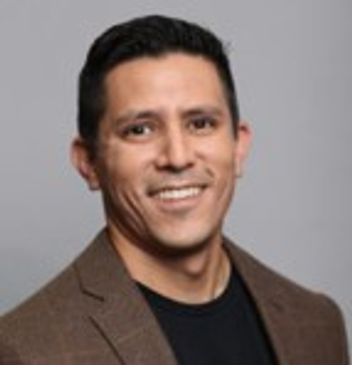
Prof. Nich Sandoval - Tulane
Prof. Ben Woolston - Northeastern
Prof. Nich Sandoval - Tulane
Expertise: Directed evolution and metabolic engineering in solventogenic Clostridia
We gratefully acknowledge support from the NSF (#242156)